Selected for the Google Antigravity science program
I have been selected for the Google Antigravity science program, which gives up to 10,000 researchers six months of access to Gemini 4 Argon.
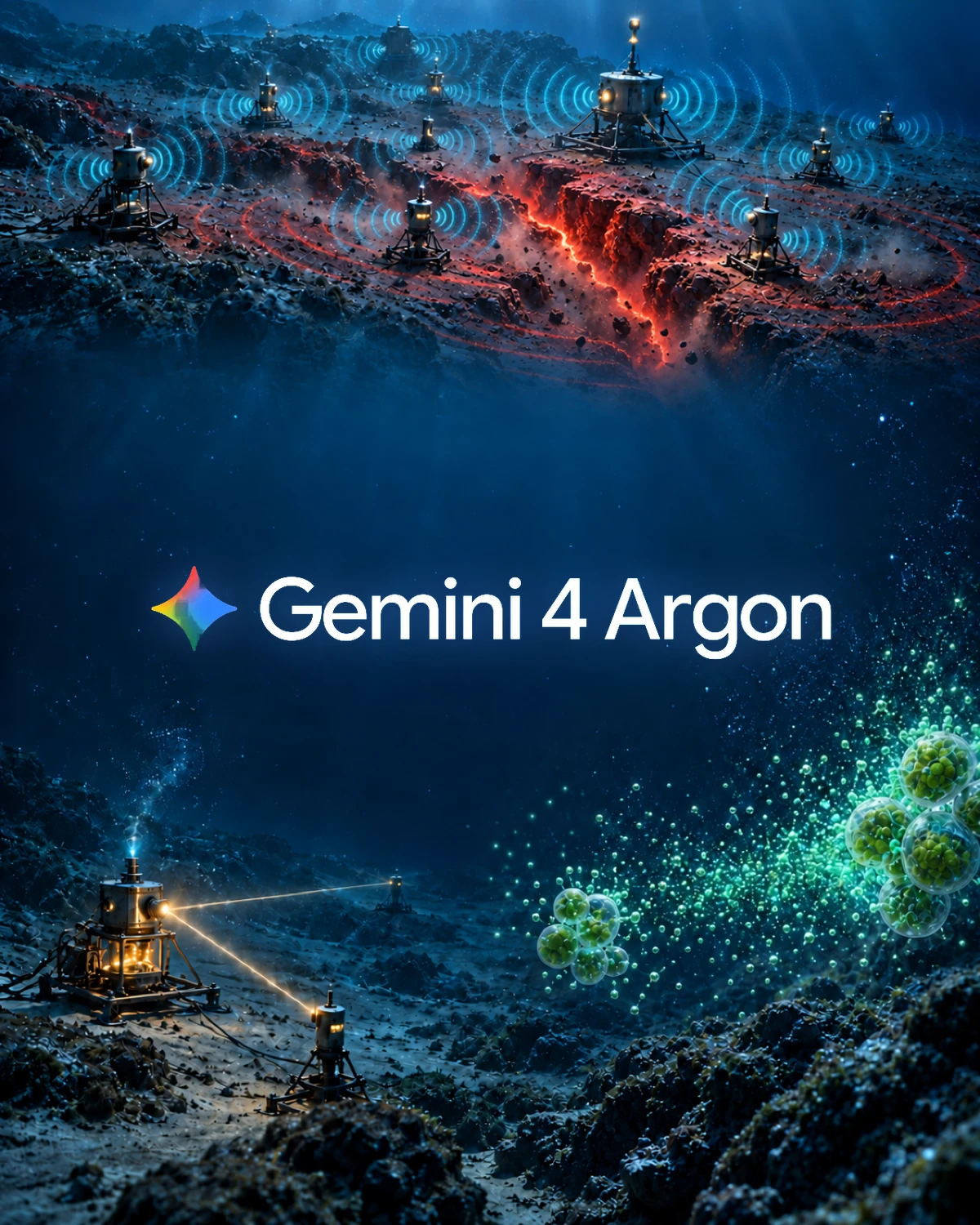
It will support three of my ongoing research collaborations:
- Underwater IoT for seismic monitoring, with Sefa Geleri (MSc student) and Erim Ergün (undergraduate student) at TED University. We are evaluating machine learning for combinatorial optimization (ML4CO) methods for sensor placement and reliable routing.
- Entanglement scheduling in underwater quantum networks, with Prof. Elif Tuğçe Ceran (Middle East Technical University), studying entanglement freshness under quantum memory, delivery-rate and resource constraints.
- Internet of Algae, with Prof. Ian F. Akyildiz (Algaentia BioTech Labs), Prof. Bige Deniz Unluturk (Michigan State University) and Prof. Eyüp İlker Saygılı (Sanko University), simulating communication channel models in algae as a foundation for future digital twin development.
Across these projects, I plan to use Gemini 4 Argon through Antigravity to review the literature, build source-grounded RAG workflows, develop optimization and machine learning models, explore digital twin modeling of molecular communication channels, and automate reproducible experiments.